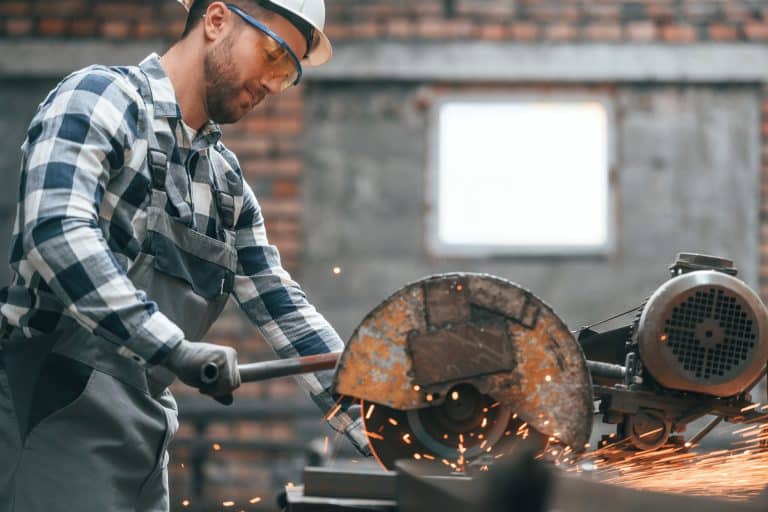
Indoor air quality testing is a vital practice for construction sites in Singapore, ensuring the safety, health, and regulatory compliance of all stakeholders. Poor air quality can lead to serious health issues such as respiratory problems, allergies, and other illnesses, especially in enclosed or newly renovated spaces where pollutants like formaldehyde, volatile organic compounds, and particulate matter are more concentrated. Regular testing helps identify these hazards early, allowing for prompt remediation and protecting the well-being of workers and occupants.
Singapore’s regulatory standards, such as SS 554, set clear limits for key indoor air quality parameters, including carbon dioxide, carbon monoxide, formaldehyde, ozone, and particulate matter. Adhering to these standards not only safeguards health but also ensures that construction projects avoid penalties and legal complications. Furthermore, routine air quality assessments support the detection of Sick Building Syndrome and building-related illnesses, enabling timely intervention and maintaining a productive work environment.
Beyond compliance, regular indoor air quality testing demonstrates a commitment to worker safety and environmental responsibility. It builds trust with clients, regulators, and the community by confirming that air quality is safe and meets national guidelines. With the use of advanced monitoring instruments and competent personnel, construction sites can maintain optimal air quality, minimize risks, and foster a healthier, more efficient workplace. This proactive approach is essential for every construction project in Singapore, supporting both regulatory adherence and the overall success of the site.
Why Indoor Air Quality Testing Is Essential for Singapore Construction Sites
- Protects Worker Health
Regular indoor air quality testing identifies harmful pollutants such as formaldehyde, VOCs, mold, and particulate matter, reducing the risk of respiratory issues, allergies, and other health problems for workers on construction sites. - Ensures Regulatory Compliance
Testing ensures that air quality meets Singapore’s SS 554 standards and Workplace Safety and Health guidelines, helping construction projects avoid penalties and legal issues. - Supports Early Detection of Health Risks
Early identification of pollutants allows for timely remediation, preventing Sick Building Syndrome and building-related illnesses before they affect occupants. - Improves Productivity and Efficiency
Maintaining healthy air quality reduces sick days, boosts worker comfort, and enhances overall productivity on the construction site. - Demonstrates Environmental Responsibility
Regular testing shows a commitment to health, safety, and environmental standards, building trust with clients, regulators, and the community. - Facilitates Proper Ventilation and Control
Testing helps identify new pollutant sources after renovations or material installations, supporting effective ventilation and contaminant control. - Supports Green Building Certification
Good indoor air quality is essential for meeting green building certification requirements, adding value to the project. - Provides Continuous Monitoring and Reporting
Ongoing air quality assessments offer actionable data for continuous compliance and improvement, ensuring long-term safety.
Indoor air quality testing is a crucial step for any construction site in Singapore, safeguarding health, ensuring compliance, and supporting a safe, productive work environment