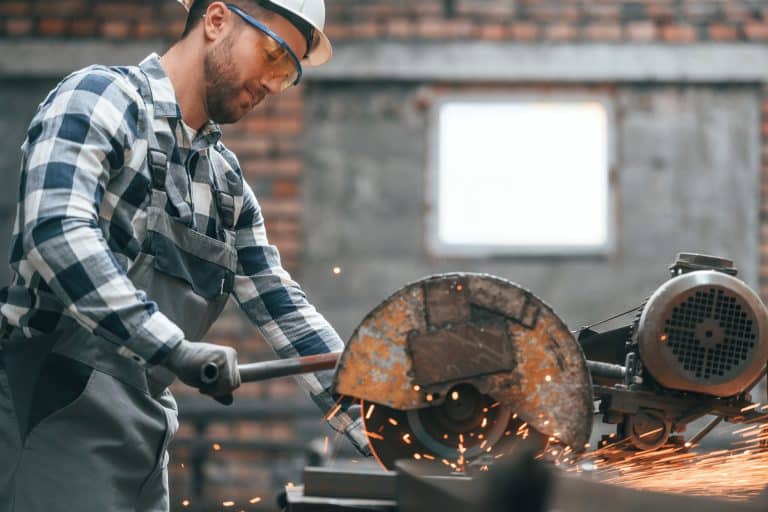
Indoor air quality (IAQ) testing plays a crucial role in protecting workers on Singapore construction sites by monitoring and controlling hazardous pollutants such as PM2.5, VOCs, and dust. These contaminants are commonly released during construction activities and can pose serious health risks if not managed properly.
Importance of Monitoring PM2.5, VOCs, and Dust
PM2.5 refers to fine particulate matter that can penetrate deep into the lungs, causing respiratory issues and other health problems. VOCs, or volatile organic compounds, are released from paints, adhesives, and building materials and can lead to headaches, dizziness, and long-term health effects. Dust, generated from demolition and cutting, can irritate the respiratory system and exacerbate existing conditions.
How IAQ Testing Protects Workers
- Early Detection
Regular IAQ testing helps identify elevated levels of PM2.5, VOCs, and dust, allowing for immediate action to reduce exposure and protect worker health. - Compliance with Standards
Testing ensures compliance with Singapore’s SS 554 standards, which set safe limits for these pollutants. This helps avoid regulatory penalties and legal issues. - Effective Mitigation
Accurate monitoring data guides the implementation of control measures such as improved ventilation, use of air purifiers, and source control, minimizing health risks. - Documentation and Reporting
Maintaining detailed records of IAQ testing and mitigation efforts supports regulatory compliance and provides a clear audit trail for inspections.
Best Practices
- Conduct frequent IAQ assessments using accredited laboratories and calibrated instruments.
- Use advanced air quality sensors for real-time monitoring and immediate alerts.
- Implement engineering controls such as ventilation and air filtration.
- Provide workers with appropriate personal protective equipment (PPE) and training on air quality hazards.
By monitoring PM2.5, VOCs, and dust through IAQ testing, construction sites in Singapore can create a safer, healthier environment for workers, ensuring compliance and minimizing health risks.